Turn any space into robot memory.
Upload a floor plan or film a walkthrough video. A navigation graph gets built automatically. Enrich it with pictures for location and landmarks detection.
Map a space two ways
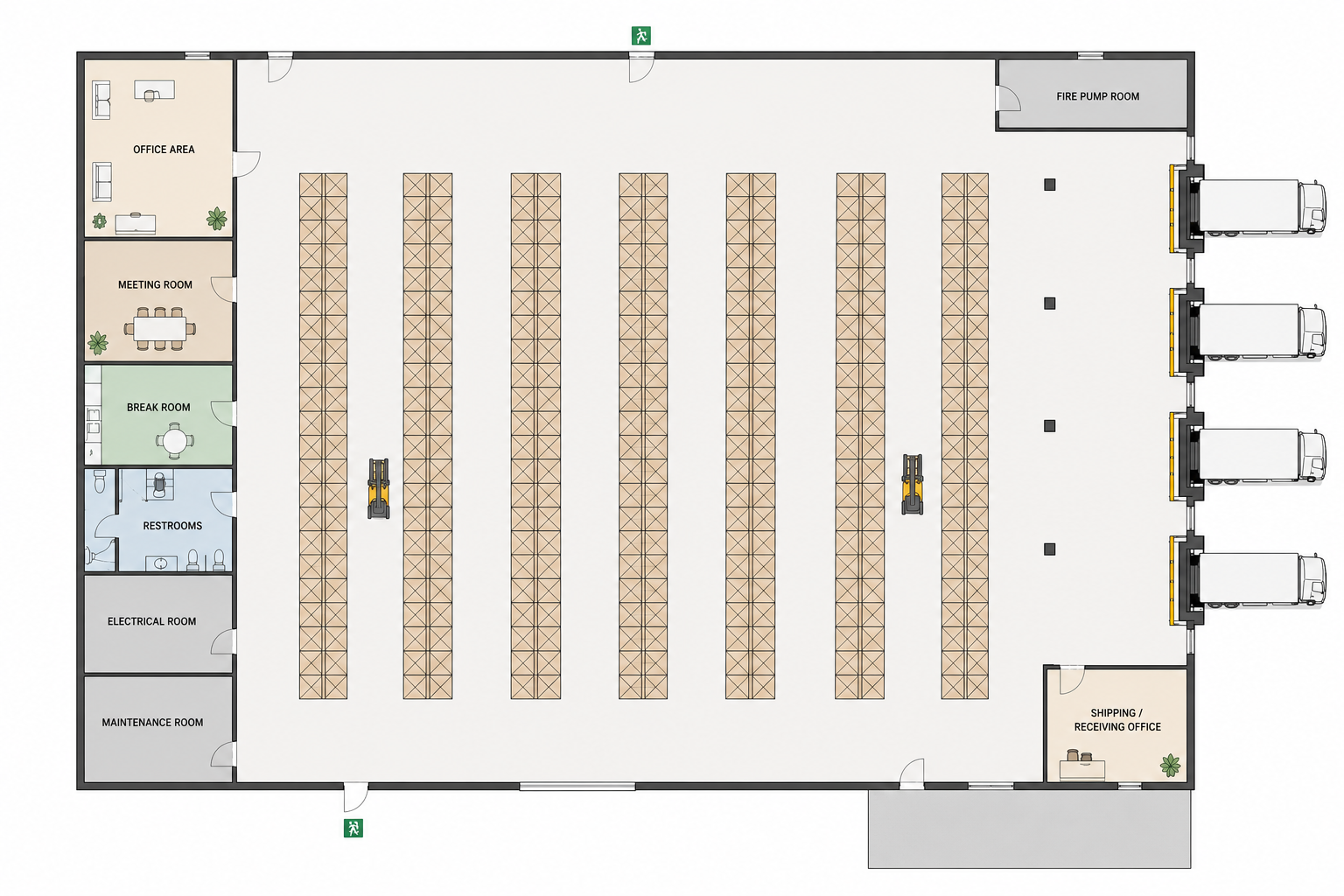
Upload a floor plan
Drop in a PDF or image. The vision layer traces rooms, stairs, elevators and their connections into an editable graph laid right over the plan.
Upload a planwalkthrough videoRecord a walkthrough
No plan on hand? Upload a narrated video of the space. NaviGraph transcribes the audio and builds the spatial graph from the rooms and landmarks you pass.
Start a walkthroughBuild spatial memory in four steps
Upload
Drop in a floor plan. The vision layer traces rooms, stairs, elevators and their connections into an editable graph laid right over the plan.
Enrich
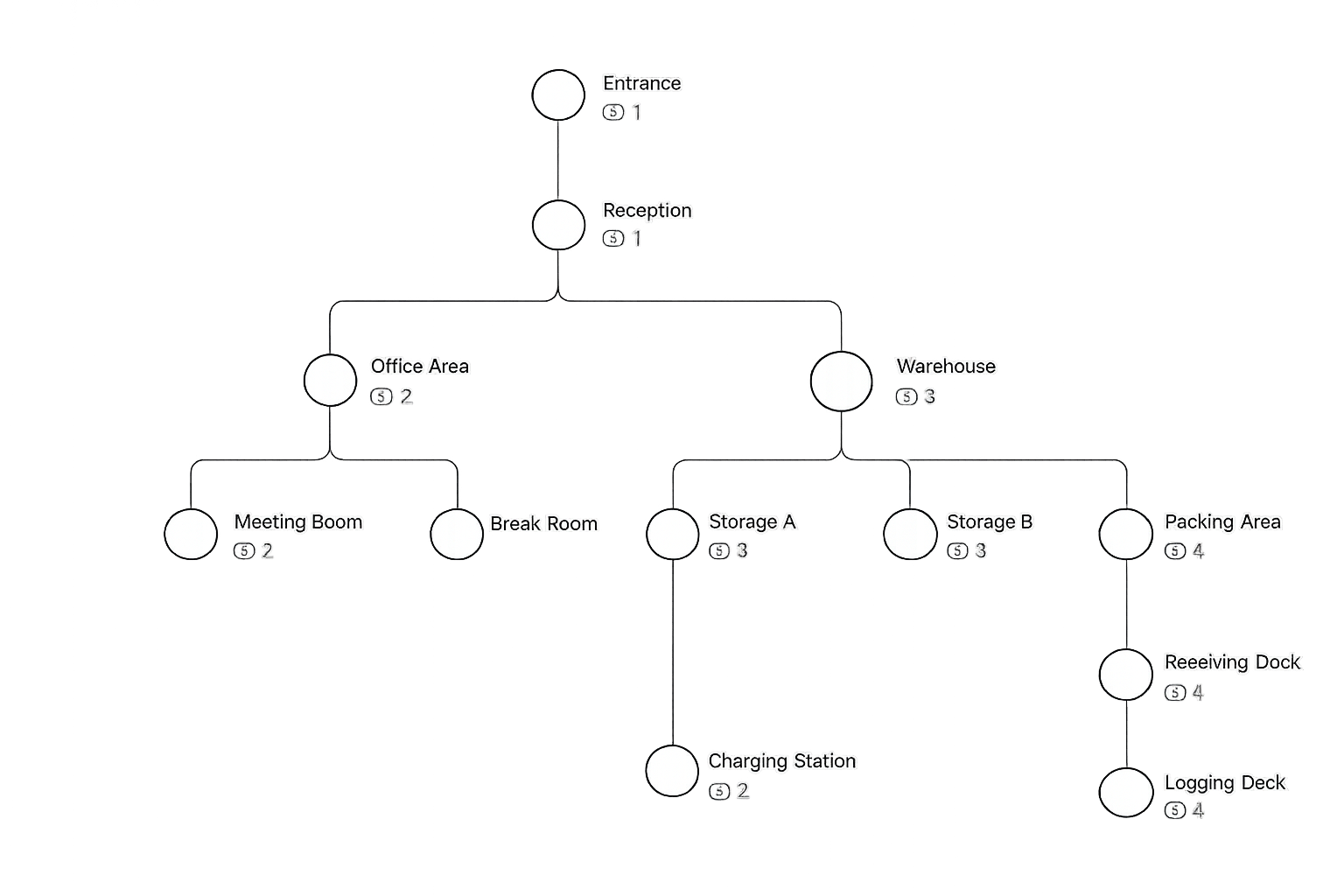
Add names, photos and connections. Every room gains landmarks, tags and a semantic embedding.
Localize
From a single RGB frame, the engine matches the scene against reference photos to find which room the robot is in.
Navigate
One call turns an instruction into a plain-text navigation brief — ready for any vision-language-action model.
Why spatial memory matters
Modern vision-language-action models understand what they currently see, but they do not retain a persistent understanding of an entire building.
NaviGraph provides this missing memory layer by transforming a floor plan into a semantic graph that any robotics model can query using only a single RGB camera image.
One endpoint. Navigation-ready context.
POST /context takes an instruction and a camera frame, and returns the location, destination, path, landmarks and a plain-text context you drop straight into your model.

 Robostral
 OpenVLA
 NVIDIA GR00T